1. Introduction
- The ultimate question for anyone looking to make custom t-shirts or launch a clothing line: “Which printing method should I use?”
- Choosing the wrong technique can lead to cracked prints, dull colors, or unnecessary costs.
- Clearly explain the differences between DTF (Direct to Film), DTG (Direct to Garment), and Sublimation without complex jargon, so you can pick the perfect option based on your fabric, design, and budget.
2. Quick Summary / Comparison Table
A quick visual section for readers looking for immediate answers:
| Feature | DTF (Direct to Film) | DTG (Direct to Garment) | Sublimation |
| Compatible Fabrics | Cotton, polyester, blends, leather, nylon | 100% Cotton or high % cotton blends | 100% Polyester (or high % poly) |
| Garment Color | Any color (white, black, dark shades) | Any color (best results on dark garments) | Light or white fabrics only |
| Feel / Hand Feel | Soft, thin, flexible layer | Ultra-soft, ink sinks into the fibers | Zero feel (ink becomes part of the fabric) |
| Durability | Excellent (high wash resistance) | High (with proper wash care) | Indestructible (won’t crack, peel, or fade) |
| Best For | All design types, logos & gang sheets | Highly detailed artwork on cotton | Activewear, sportswear & mugs/merch |
3. Detailed Breakdown of Each Technique
A. DTF (Direct to Film): The Most Versatile Technique on the Market
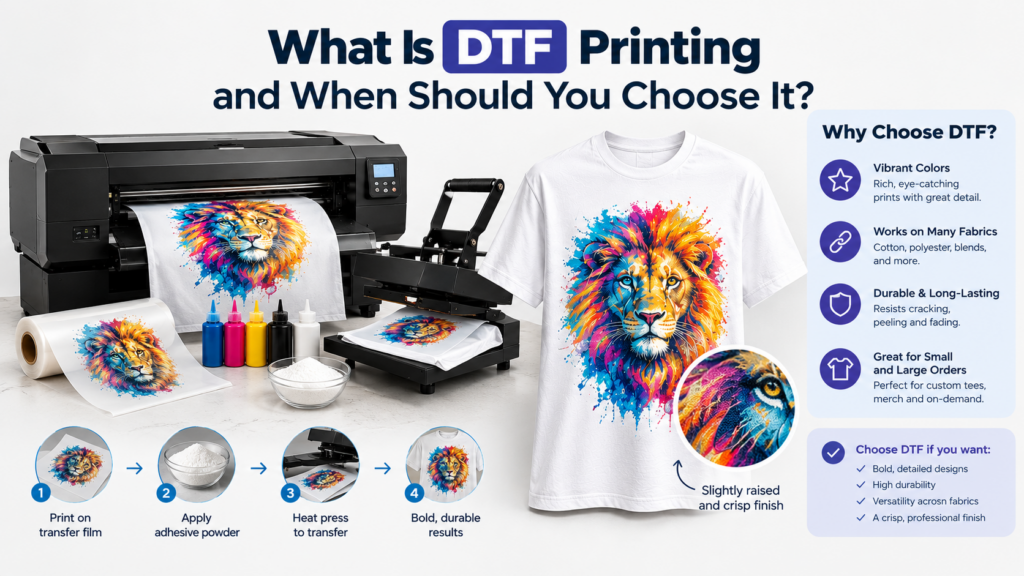
- How it works: Your design is printed onto a special film, coated with a hot-melt adhesive powder, and heat-pressed directly onto the garment.
- Key Advantages:
- Works on any fabric and any color.
- Captures fine details and vibrant colors with built-in white ink underbasing.
- Perfect for ordering via Gang Sheets (combining multiple designs on one roll).
- Drawbacks: Has a slight texture on the garment (though lightweight and flexible).
- When to choose it: If you want to print hats, jackets, or cotton/poly t-shirts in any color with the best value for your money.
B. DTG (Direct to Garment): Photo-Quality Printing on Cotton
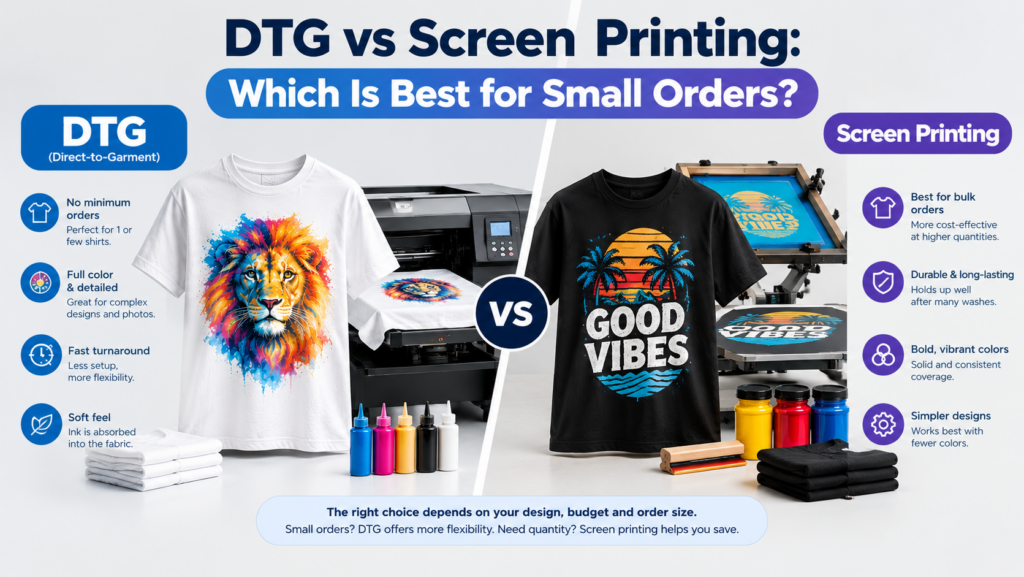
- How it works: Functions like a giant inkjet printer, injecting ink directly into the cotton fibers.
- Key Advantages:
- Extremely soft, breathable feel on light garments.
- Excellent for complex color gradients and photo-realistic prints.
- Drawbacks: Requires high-cotton fabrics and can be more expensive for large production runs.
- When to choose it: High-end streetwear brands seeking a premium, natural fabric feel on 100% cotton garments.
C. Sublimation: The King of Sportswear
- How it works: Heat converts the ink into a gas, chemically bonding it with the polyester fibers.
- Key Advantages:
- Zero print feel; will never crack, peel, or wash out.
- Preserves full moisture-wicking capability of athletic fabrics.
- Drawbacks: Does not work on cotton or dark/black garments.
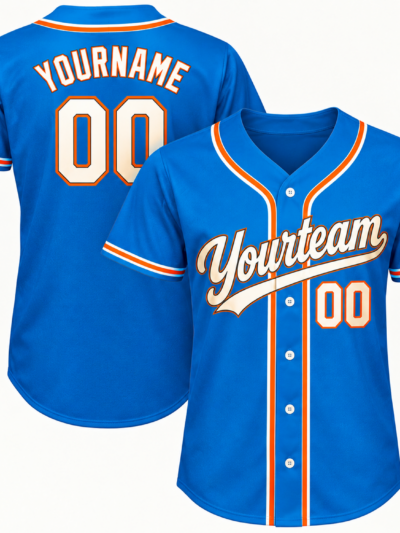
- When to choose it: Sportswear, jerseys, workout apparel, and promotional polyester merchandise.
4. Key Factors to Make the Right Choice
- Garment Fabric: Cotton or polyester?
- Garment Color: Light, white, or dark/black?
- Design Complexity: Vector logos, photos, or soft gradients?
- Order Volume: Single piece vs. wholesale bulk run?
5. Conclusion & Call to Action (CTA)
- Conclusion: For maximum versatility across all fabrics and colors, DTF is the #1 choice today. For athletic wear, go with Sublimation. For a soft, boutique finish on pure cotton, choose DTG.
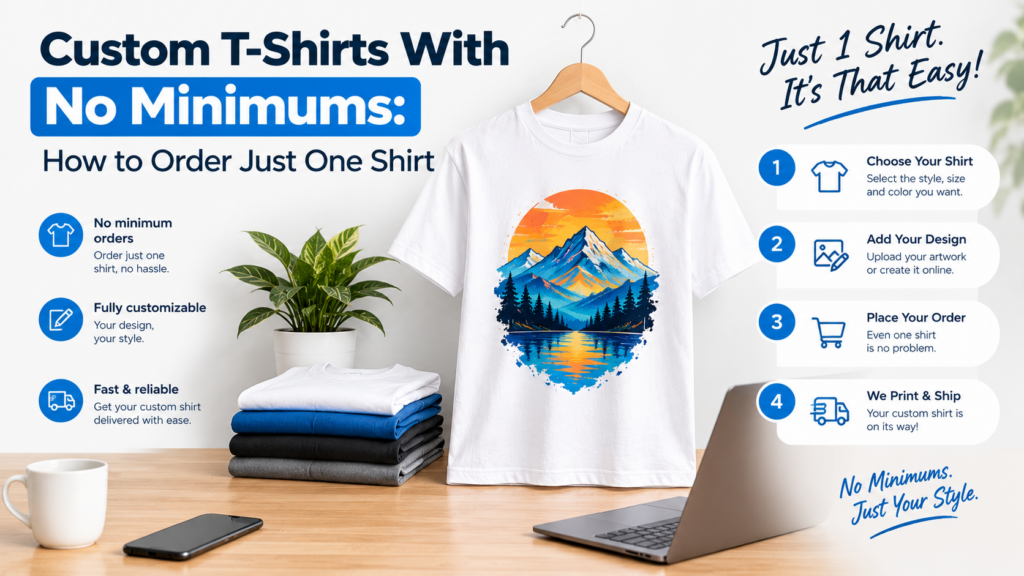
- Call to Action (CTA): “Ready to bring your project to life? Build your custom DTF Gang Sheet online at Digital Prints On T-Shirts or upload your artwork to start printing with no minimum order requirements!”